Welcome to the Obsidia TCG Blog
Welcome to the Obsidia TCG blog, the place for clear, practical guides to the trading card games we stock. Whether you’re opening your first booster pack or adding a Japanese box to a long-running collection, you’ll find straightforward advice here, written by a UK team that handles this product every day.
Our TCG blog covers Pokémon, the One Piece Card Game, Dragon Ball Super, Disney Lorcana, Magic: The Gathering, Yu-Gi-Oh!, Riftbound and the newer games that keep arriving on our shelves. Every guide is written for UK readers, with prices in pounds, UK release context and links straight to the products we talk about.
This page is the home of every article. The newest guides sit at the top, and below them you’ll find an overview of what we cover, a quick glossary for beginners and answers to the questions we hear most often.
What You’ll Find on Our TCG Blog
We write the kind of TCG guides we’d want to read ourselves: specific, honest and quick to get to the point. Most articles fit into one of these types.
- Beginner guides that explain how a game works, what to buy first and which terms you’ll hear at your local game store.
- Set guides that break down a release, from its booster box format to the products that sit around it.
- Buying guides that compare formats and languages, so you can pick between a booster box, a bundle or an Elite Trainer Box with confidence.
- Collecting guides on storage, display and protecting the cards you pull.
- Release round-ups that gather what’s new and what’s coming, with links to pre-orders where we have them.
Each guide links to the matching category in our TCG shop, so you can go from reading to browsing in one click. If a product in a guide sells out, the category page will always show you what’s in stock now.
Guides for Every Game We Stock
The Obsidia TCG blog follows the games on our shelves. Here’s a quick look at each one and where to start.
Pokémon Trading Card Game
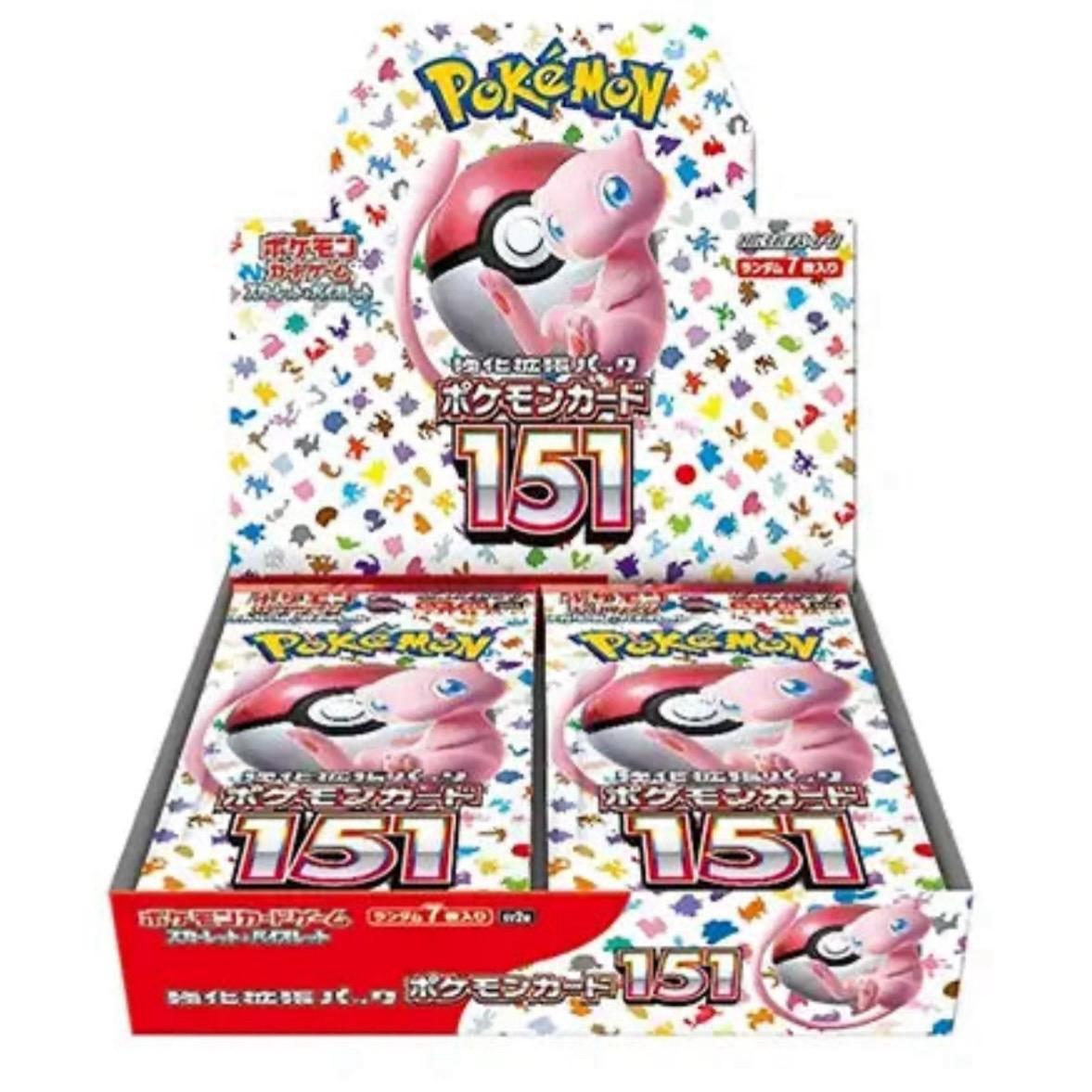
Pokémon is the biggest game we stock and the one we write about most. Expect set guides for new English and Japanese releases, explainers on formats such as high class sets and Elite Trainer Boxes, and buying advice for collectors choosing between languages. Start with our Pokémon booster boxes guide or browse English Pokémon cards.
One Piece Card Game
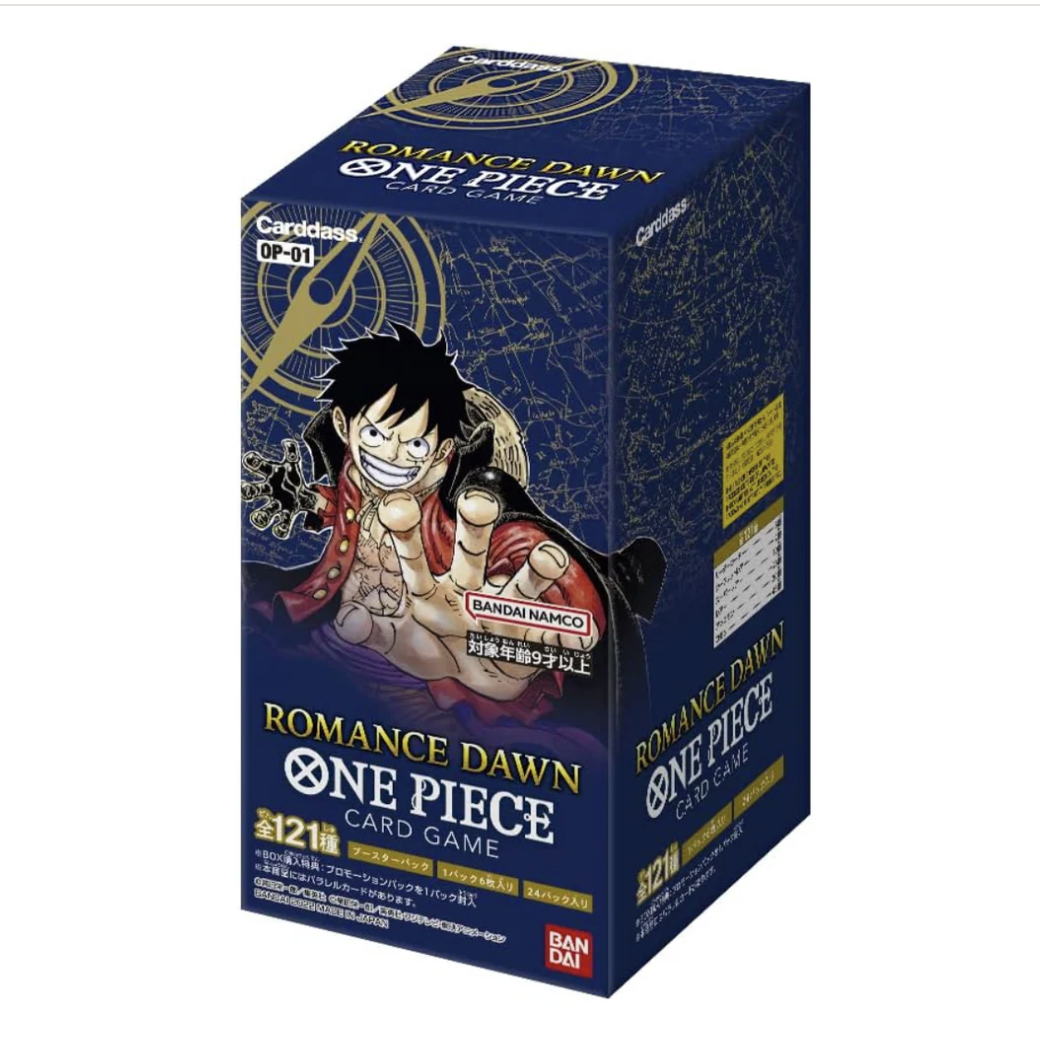
Bandai’s One Piece Card Game has grown quickly, and new players often ask where to begin. Our guides explain how the game works, what the OP, EB and PRB set codes mean, and how English and Japanese boxes differ. See every Japanese One Piece booster box we stock.
Dragon Ball Super Card Game
Dragon Ball Super now has two separate games, Fusion World and Masters, which can be confusing at first. Our TCG blog explains the difference and points you to the right boxes for each, from Fusion World booster boxes to Masters packs. Browse English Dragon Ball Super.
Disney Lorcana
Disney Lorcana from Ravensburger is a friendly game for new players and a popular one with collectors. Our TCG blog covers new sets, the difference between displays, Illumineer’s Troves and starter decks, and which inks suit beginners. Browse English Disney Lorcana.
Magic: The Gathering
Magic is the original trading card game, with more product types than any other. Our TCG guides explain Play Boosters, Collector Boosters, Commander decks and Universes Beyond crossovers, so you can choose with confidence. See Magic: The Gathering.
Yu-Gi-Oh!
Yu-Gi-Oh! has its own vocabulary, from 1st Edition prints to the difference between the TCG and the Japanese OCG. Our TCG guides explain what matters for players and collectors in the UK. Browse English Yu-Gi-Oh!.
Riftbound and Newer Games
New games arrive all the time, and Riftbound, the League of Legends trading card game, is one of the most talked about. Our TCG blog covers new launches like this as they reach UK shelves, along with games such as Digimon, Union Arena and the Gundam Card Game. See English Riftbound.
New to Trading Card Games? Start Here
If you’re new to the hobby, the terms can feel like a language of their own. This short glossary covers the words you’ll see most often across our TCG blog and product pages.
| Term | What it means |
|---|---|
| Booster pack | A sealed pack of random cards from one set. The basic way to open a set. |
| Booster box | A sealed box of booster packs from one set, also called a display. Pack counts vary by game and language. |
| Elite Trainer Box | A Pokémon product with booster packs, sleeves, dice and a storage box, popular with new players. |
| Set or expansion | A group of cards released together, usually with its own name, symbol and set code. |
| Sealed product | Any unopened product, from single packs to booster boxes and collection boxes. |
| Singles | Individual cards bought on their own, rather than in a sealed pack. |
| Promo card | A special card included in a collection box, blister or event product rather than in booster packs. |
Once these terms make sense, most product names become easy to read. A “Japanese Shiny Treasure ex booster box”, for example, is a sealed box of Japanese packs from the Shiny Treasure ex set.
Reading Product Names and Set Codes
Product names can look like a jumble of letters and numbers, but they follow a pattern once you know what to look for. Most names tell you three things: the language, the set and the format.
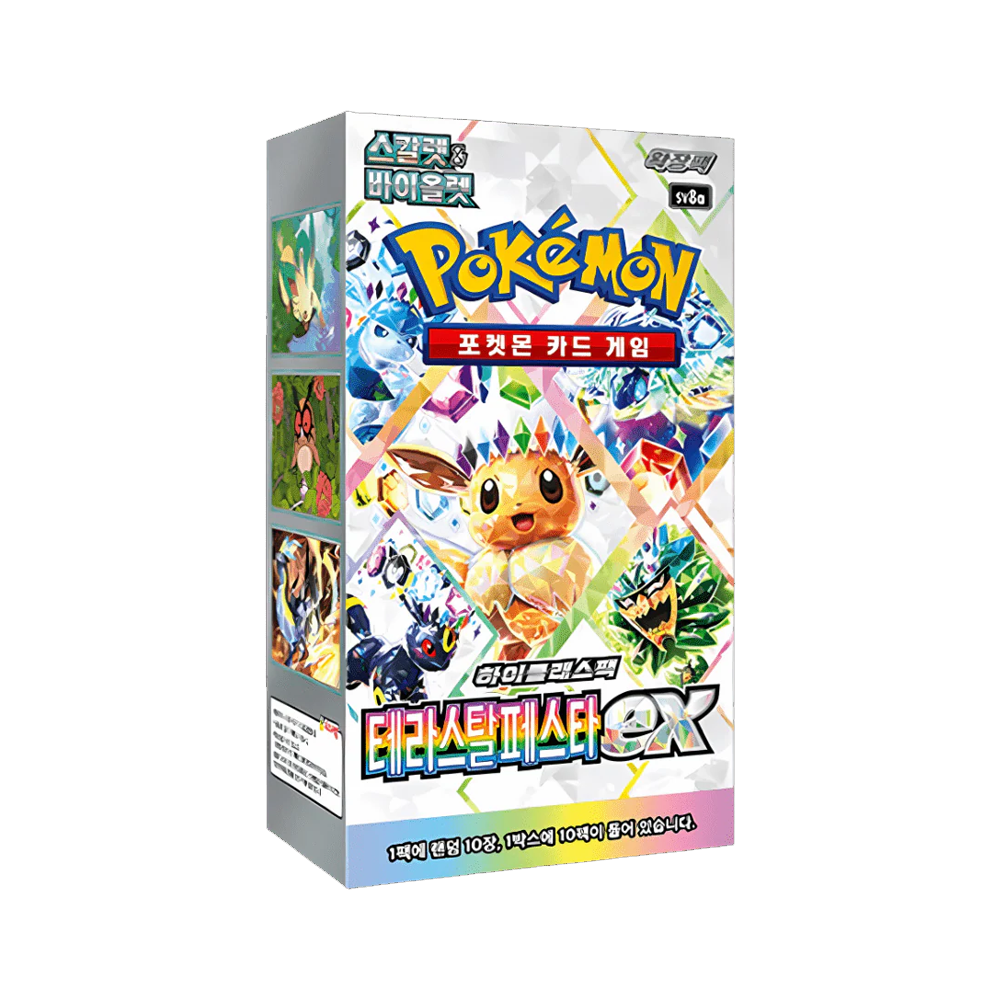
Set codes are the short labels that games use to number their releases. In the One Piece Card Game, OP-01 is the first main set, EB sets are extra boosters and PRB sets are premium boosters. Dragon Ball Super Fusion World uses FB for booster sets and FS for starter decks, while Japanese Pokémon sets use codes such as SV2a printed on each card.
We put the language at the front of most product names, so “Japanese – OP-05 – One Piece – Booster Box” reads as a Japanese booster box from the fifth main One Piece set. When a product is a pre-order, a sealed case or a bulk lot, the name says that too. Our TCG blog set guides explain the codes for each game in more detail, so you’ll always know exactly what a product contains before you buy.
Choosing a Language: Notes From Our TCG Blog
One question comes up more than any other: which language should I buy? There’s no single right answer, so our guides explain the trade-offs and let you decide.
- English suits players at UK events and anyone who wants to read every card.
- Japanese releases usually arrive first for Japanese-made games, and many collectors love the print quality.
- Korean boxes follow the Japanese set list and are a popular choice for openings.
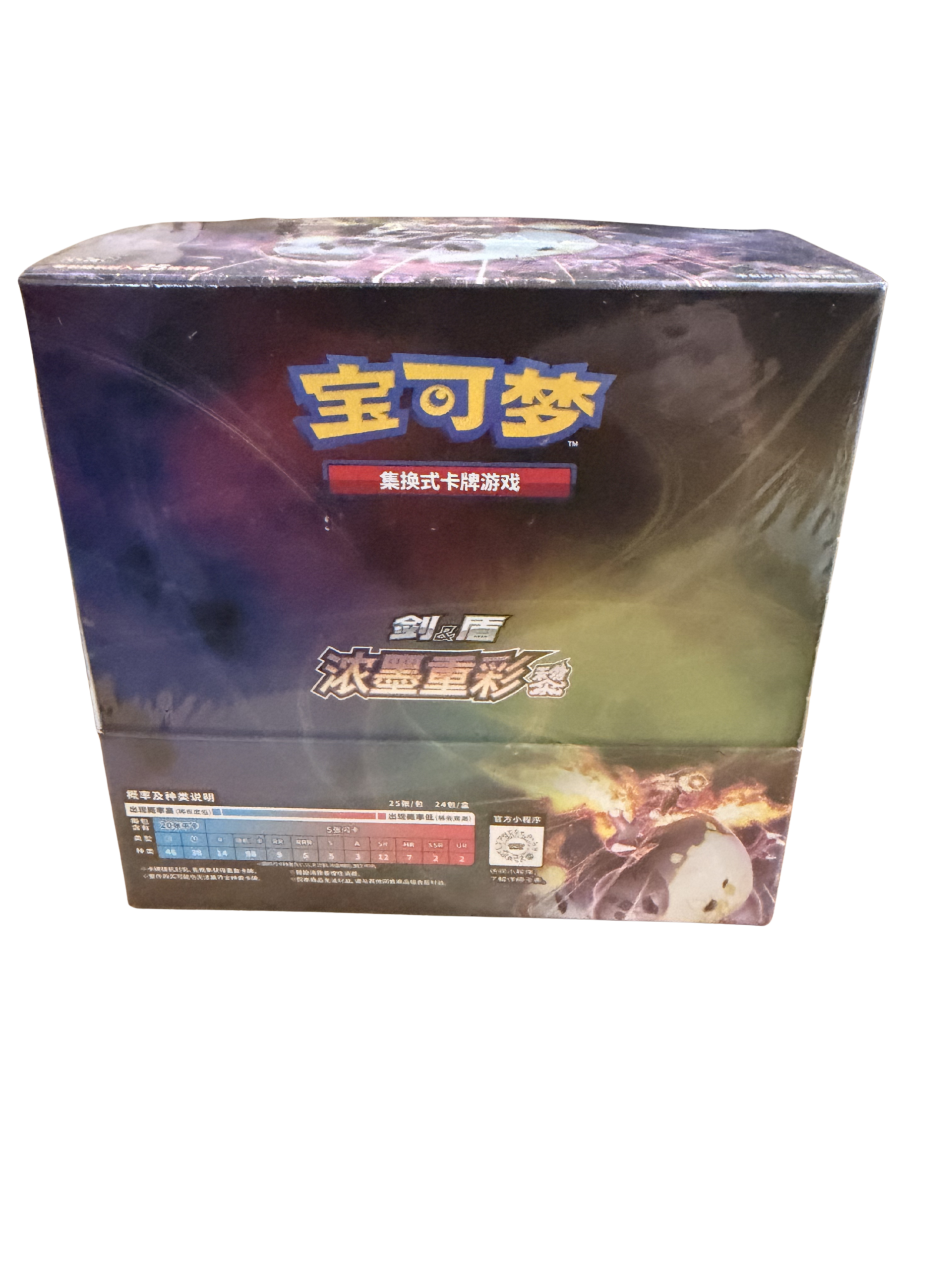
- Chinese releases include formats and sets you won’t find anywhere else, from jumbo boxes to display gift boxes.
You can compare the ranges side by side in our English, Japanese, Korean and Chinese categories. Each one has its own short guide to help you choose.
Booster Boxes, Bundles and Collection Boxes Explained
Sealed product comes in more shapes than most people expect, and the right choice depends on how many packs you want and what else you’d like in the box. This quick comparison is a good starting point, and our TCG blog guides go deeper for each game.
| Format | What’s inside | Best for |
|---|---|---|
| Booster pack | A single sealed pack of random cards | Trying a set, stocking fillers and small gifts |
| Blister | One to three packs, often with a promo card or coin | Affordable gifts with a guaranteed extra |
| Booster bundle | Six packs in a slim box | A taste of a new set at good value per pack |
| Elite Trainer Box | Packs plus sleeves, dice, a promo card and storage | New Pokémon players and gift buyers |
| Collection box | Packs with promo cards, figures, pins or posters | Collectors who want a featured card |
| Booster box | A full display of packs from one set | Big openings, group breaks and set collectors |
A booster box gives you the widest spread of a set, while a collection box gives you a guaranteed promo card and extras. Many collectors buy both: a box to open and a collection to display. You’ll find every format in our collection boxes and English booster boxes categories.
Opening Tips: Getting the Most From a Box
Opening a booster box is the fun part, and a little preparation makes it better. Clear a clean, dry table, have sleeves and top loaders within reach, and keep a bag or box for the empty wrappers.
Sort as you go. Many collectors open packs in order and lay the rare cards to one side, then sleeve them before moving on. It keeps the best pulls safe and makes it easy to see what you’ve opened at the end.
If you film or stream your openings, good light and a steady camera make a big difference. And if you’re opening for a group break, agree the rules before the first pack is opened, so everyone knows what to expect.
Collecting or Playing: Two Ways to Enjoy the Hobby
Some people buy cards to play, some to collect and many do both. Players care about the cards in a set and which language their local events accept. Collectors often care more about artwork, rarity, condition and the packaging itself.
Our TCG blog writes for both. Where a guide gives advice that only suits one group, such as choosing a language for tournament play or keeping a box sealed for display, we say so clearly, so you can follow the advice that fits how you enjoy the hobby.
Buying Trading Cards as a Gift
Trading cards make great gifts, but the choice can be daunting if you don’t play yourself. Start by finding out which game they enjoy, then pick a format that matches your budget and their experience.
- For a new player, a Pokémon Elite Trainer Box or a Disney Lorcana starter deck has everything needed to start.
- For a younger fan, a tin, mini tin or blister is colourful, affordable and easy to wrap.
- For a collector, a premium collection or a Japanese booster box makes a memorable present.
If you’re unsure, a booster bundle is a safe middle ground: six packs from one set at good value. Our TCG blog gift guides cover each game in more detail as the year goes on.
Looking After Your Cards and Sealed Product
A good collection deserves good care, and storage is one of the most useful topics on our TCG blog. A few simple habits protect both sealed boxes and the cards you pull.
- Store sealed product flat, in a cool, dry place away from direct sunlight.
- Avoid stacking heavy items on top of booster boxes, which can crush the corners.
- Sleeve valuable cards as soon as you pull them, then use a top loader or semi-rigid holder.
- Keep binders upright on a shelf rather than lying flat under other books.
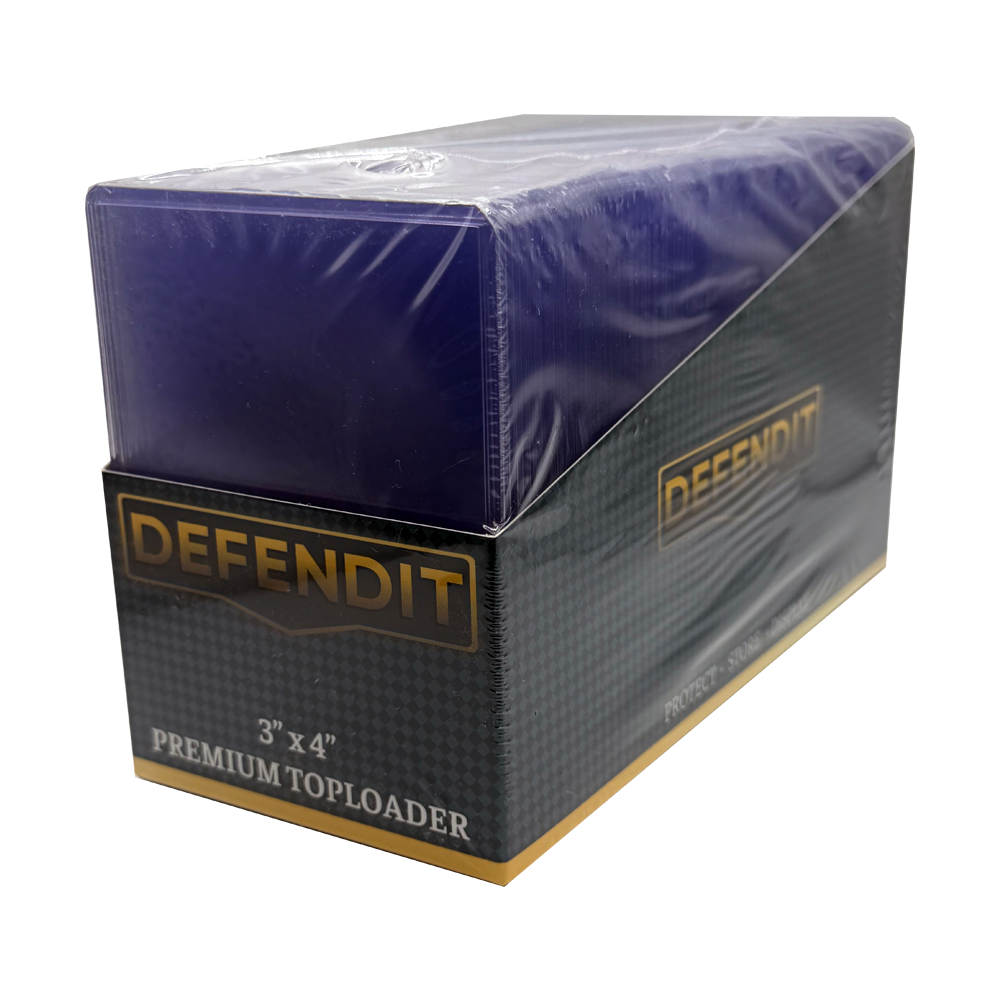
We stock top loaders, semi-rigid holders, team bags and binders in our other games and accessories category, so you can protect a collection without shopping around.
Pre-orders, Release Dates and Staying Up to Date
New sets drive the hobby, and knowing what’s coming helps you plan. When we list a pre-order, the product name says so, often with the expected date. Our TCG blog round-ups gather upcoming releases in one place, with links to the matching pre-orders.
Release dates can move, so for official announcements it’s always worth checking the publishers directly. The official Pokémon TCG website, the One Piece Card Game site and the Disney Lorcana website all publish set news and product line-ups.
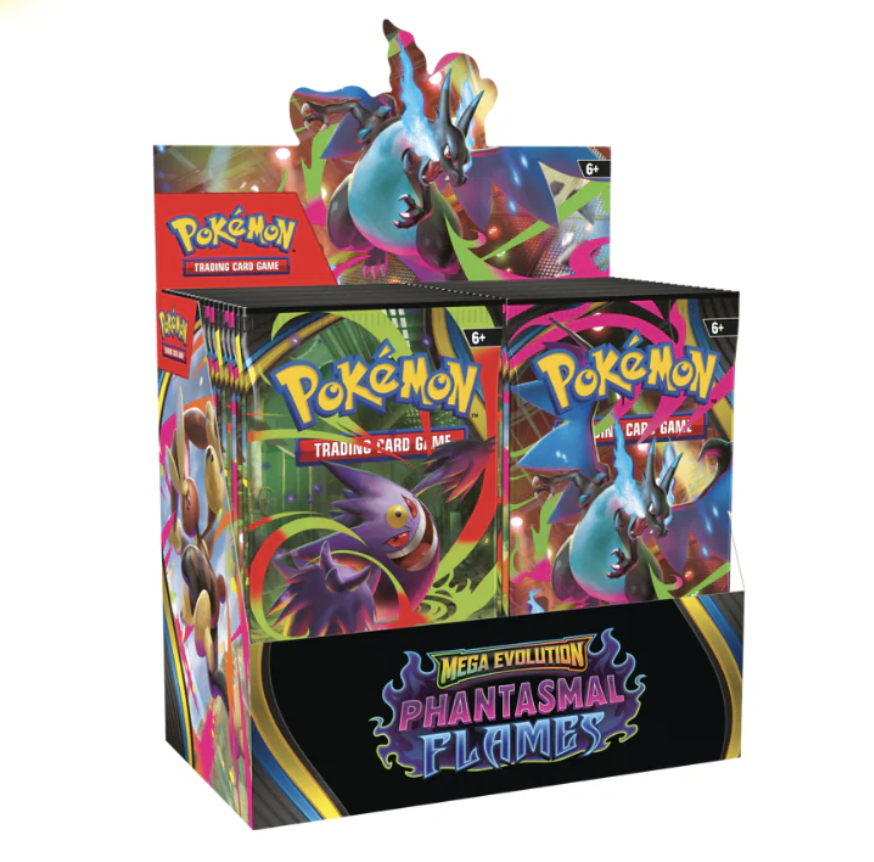
For a wider view of the shop, the Pokémon 30th Celebration page is a good example of how we group a big release across English, Japanese and Chinese products.
How We Write Our TCG Guides
We’re a retailer, and we’re open about that. Our guides name products we stock, because that’s what our readers can buy from us. We aim to make every article useful even if you shop elsewhere, by explaining formats, languages and terms clearly and accurately.
When we describe a game or a product, we check the details against the publisher’s own information and the product itself. If something changes, such as a release date or a product’s contents, we update the guide rather than leaving old information in place.
We also keep our language plain. If a guide uses a term you don’t know, the glossary above or the guide itself will explain it. And if you spot something that looks wrong or out of date, email us and we’ll look into it straight away, because an accurate TCG blog is only useful if readers can trust every detail in it.
Get More From the Obsidia TCG Blog
The best way to use our TCG blog is alongside the shop. Read a guide, follow its links to the category it covers, and use the filters to narrow the range by language or stock. If you can’t find what you’re looking for, email sales@obsidiatcg.co.uk and we’ll check for you.
Have an idea for a guide? We’d love to hear it. The questions our customers ask shape what we write next, so if something about a game, a set or a product type isn’t clear, tell us and it may become our next article.
TCG Blog FAQs
What does the Obsidia TCG blog cover?
Beginner guides, set guides, buying guides, collecting and storage advice, and release round-ups for every trading card game we stock, from Pokémon and One Piece to Disney Lorcana, Magic: The Gathering and Yu-Gi-Oh!.
Who writes the guides?
The Obsidia TCG team in the UK. We stock and ship this product every day, and we write guides around the questions our customers ask.
Are the guides only for Pokémon?
No. Pokémon is our biggest game, but our TCG blog covers every game we sell, including One Piece, Dragon Ball Super, Disney Lorcana, Magic, Yu-Gi-Oh! and Riftbound.
Can I buy the products mentioned in a guide?
Yes. Each guide links to the matching category in our shop, which always shows what’s in stock now.
How do I suggest a topic?
Email sales@obsidiatcg.co.uk with your idea. We read every message, and popular questions often become new guides.
Are your guides suitable for beginners?
Yes. We explain terms as we go, and the glossary on this page covers the words you’ll see most often.
Start Reading
That’s everything you need to know about the Obsidia TCG blog. Scroll back to the top for the latest guides, visit the TCG shop to browse every product, or start with our Pokémon booster boxes guide if you’re new. Thanks for reading, and happy collecting.